

Growing Solutions: How Regenerative Agriculture and Phytoremediation Are Reshaping Sustainable Land Us
- by Anushka Bose (Research Intern), The Celestial Earth
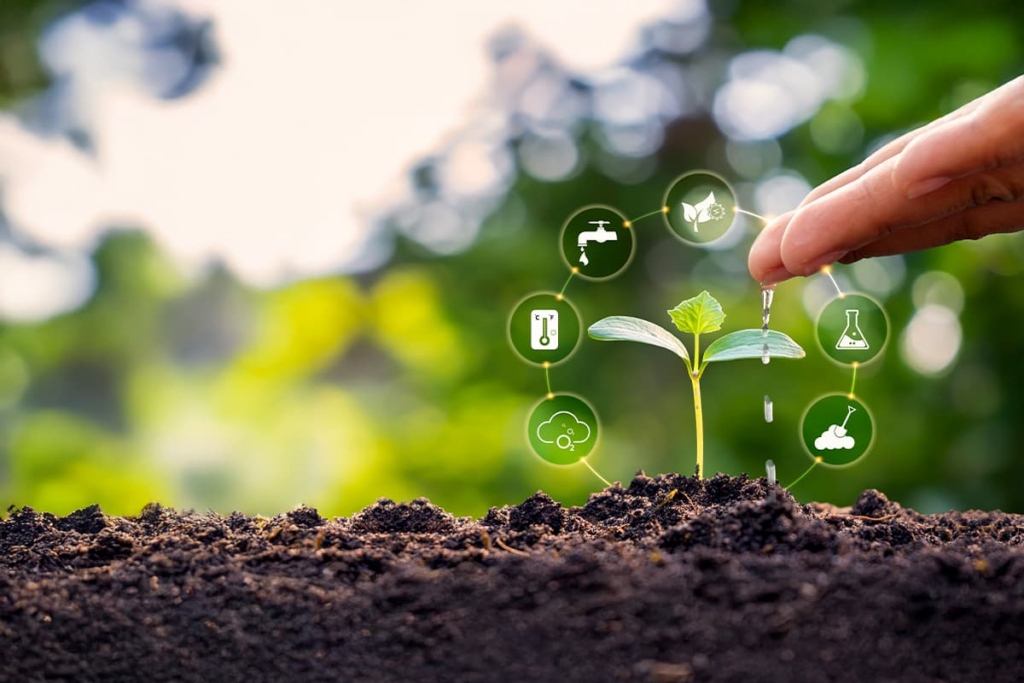
Figure 1: Core variables of regenerative agriculture (mindful irrigation, soil temperature, system level, nutrient cycling, soil aeration & organic matter)
Source: cropin.com
Instead of being seen for its potential, agriculture has been marked to be a contributor of soil degradation, biodiversity loss and greenhouse gas emissions for decades. However, modern day research suggests that regenerative agriculture and phytoremediation can prove to be nature based solutions.
Nature based solutions are defined as actions focused towards the protection, conservation, restoration and sustainable management of all ecosystems existing (WRI, 2023). Closely related is the concept of regenerative agriculture which emphasizes farming and pastoral practices in harmony with nature because of the ecosystem services it provides such as carbon sinks, water recharge, etc. The main focus remains on restoring soil health and farm ecosystems (NRDC, 2021).
In practice, this means minimal tillage, cover cropping, diversified crop rotations, organic soil amendments, and agroforestry rather than monoculture and heavy chemical inputs.
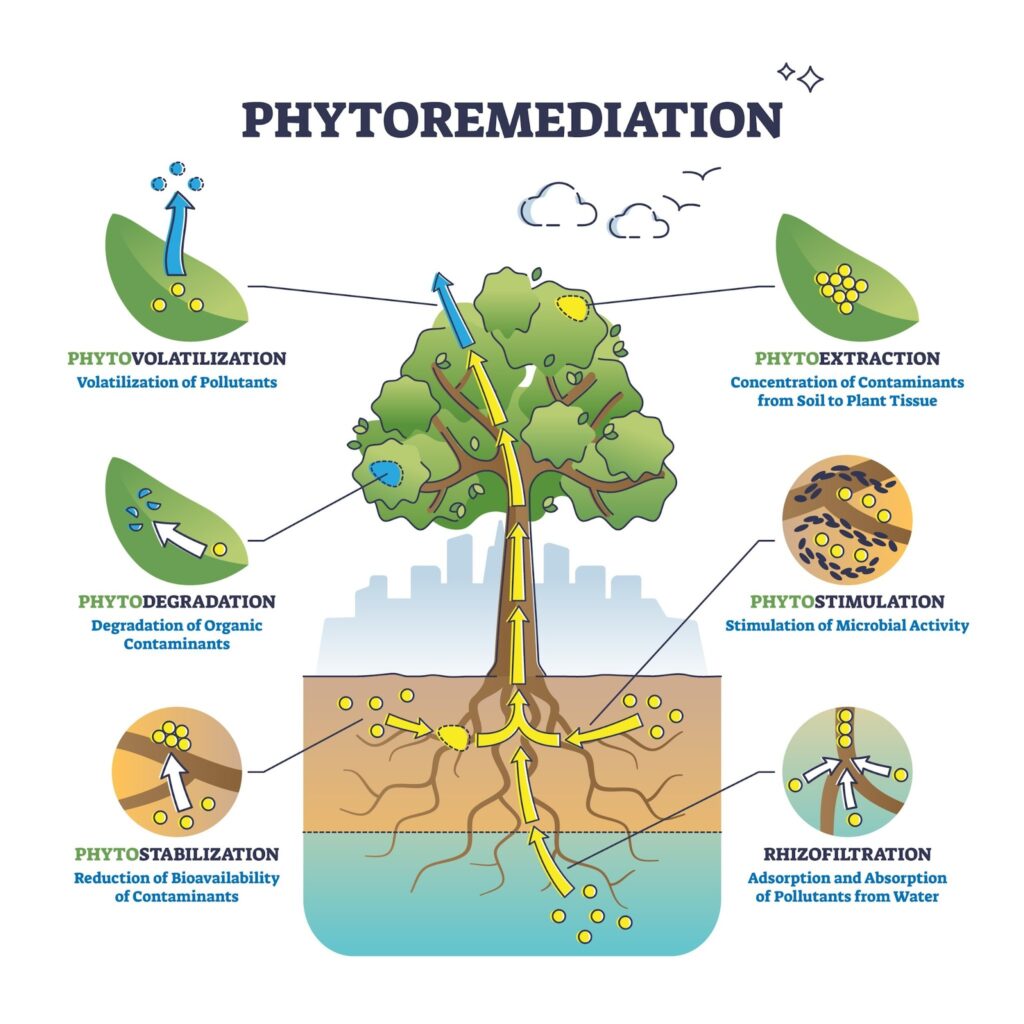
Figure 2: Core mechanisms under phytoremediation. Source: britishhempalliance.co.uk
Why This Convergence Matters
Regenerative agriculture and phytoremediation address separate issues because the first one supports the active existence of agricultural land, while the second touches upon land restoration. However, when these techniques work together, they bring about quite a change in the sustainable farming process. This synergy means that these concepts work in light of soils and soils and not in opposition to them. This method offers a more practical, sustainable method to reduce ecological liabilities while also being able to contribute long term resilience into the land.
Where regenerative agriculture focuses on keeping healthy soil productive, phytoremediation focuses on healing soil and water that have already been damaged. It describes the removal of heavy metals from contaminated soils using plants. These metals can be recovered from plant tissues. (Saier & Trevors, 2010). Phytoremediation and regenerative agriculture are closely related phenomena. The combination of phytoremediation and regenerative agriculture leads to improvements in soil health and fertility while making the agroecosystems more resilient, and reducing the risks posed by farming to the environment (Kowalska et al., 2026).
Such an integration is important, as a large part of farmland suffers from contamination and ecological degradation currently.
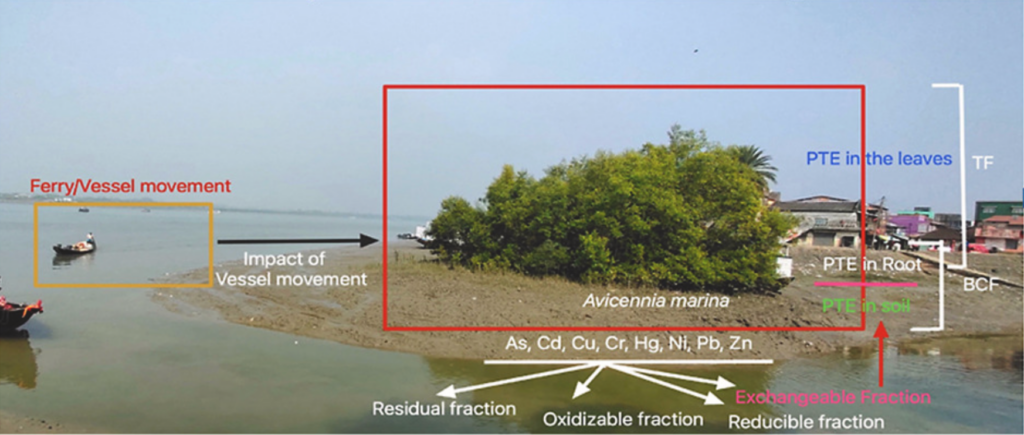
Figure 3: Phytoremediation of eight toxic metals using the plant Avicennia marina. Source: Chowdhury et al., 2023
This synergistic approach results in numerous benefits for the overall environment and the land itself, leading to a support system for sustainable agriculture:
1) Improving soil quality: Soil enhancement technologies (such as cover crops, compost, or reduced tillage) lead to improvements in microbial diversities which thereafter lead to improvements in nutrient cycling and pollutant elimination (Li & Imran 2025).
Building soil organic matter: The introduction of organic material such as compost or biochar serves to improve soil structure and eliminate heavy metal ions by making them non-bioavailable, while also raising the overall organic matter level of soils which plays a key role in improving the water-holding capacity of soil, contributing to the benefit of plant microorganisms, and enhancing carbon capture (Li & Imran 2025).
2) Diversifying plant communities: Regenerative practices use diverse cultures and practices to encourage crop diversity such as rotating, applying intercrops, and using cover crops. According to the outcome of recent field experiments, legume-cereal intercropping in combination with mycorrhizal fungi resulted in decreased cadmium concentration in soils while ensuring higher crop yields and compliance with food safety standards (Yang et al., 2026).
3) Enhancing ecosystem services: The combined use of regenerative agriculture and phytoremediation provides the following benefits:
-carbon capture
-increased biodiversity
-better nutrient cycling
-soils preservation
-water-saving
-decontamination of degenerated agricultural lands
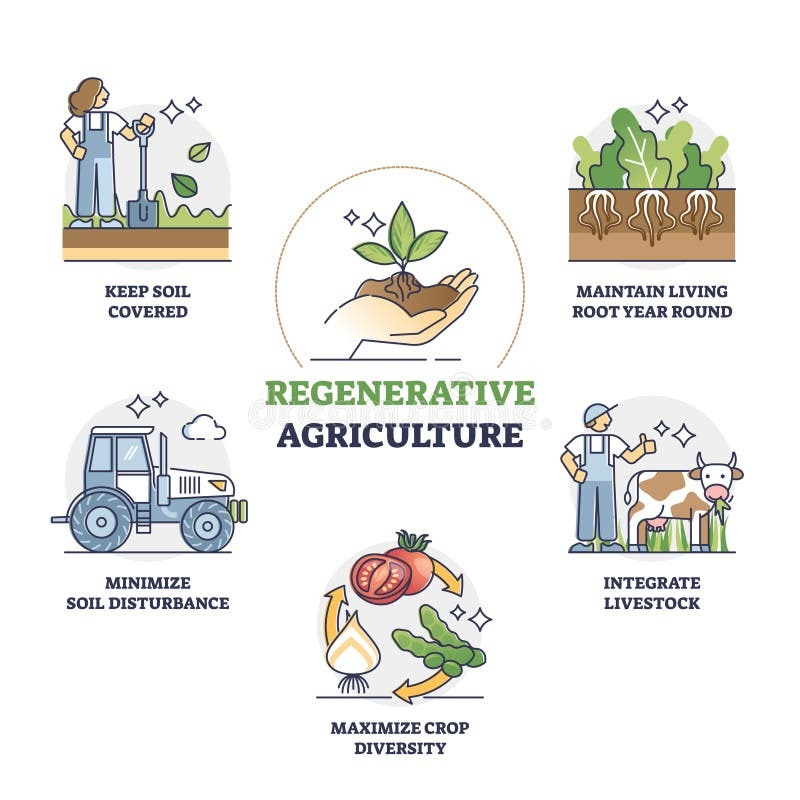
Figure 4: Results of regenerative agriculture
Source: themindfulfork.com
Looking Ahead
Recent studies suggest that the emphasis on combining regenerative agriculture with innovative nature-based solutions, such as biochar and precision agriculture, can promote remediation processes but also enhance the resilience of the ecosystems. In the light of climate change, land degradation, and food security problems, restoring soil should be regarded as a key aim of agricultural policies. The application of regenerative agriculture combined with phytoremediation marks the move from the management of degraded land to the restoration of ecological function. This methodology involves successfully using plants, microorganisms, and nature processes to achieve improved soil conditions and create stronger agricultural systems.